The fundamental difference between conventional stationary electrical systems and the high‑voltage architecture in electric vehicles lies in one essential safety principle: an electric vehicle is completely galvanically isolated from earth potential. The entire high‑voltage system “floats” electrically. There is no reference to earth, no defined return path through the vehicle body, and no protective earth conductor as found in buildings or industrial installations. This galvanic isolation is not accidental — it is a deliberate, normatively defined safety concept and the foundation of all HV protection measures.
As long as this galvanic isolation is intact, a person cannot become part of an electrical circuit by touching a single HV conductor. A closed circuit only forms if two conductors are touched simultaneously. This principle is what makes electric vehicles inherently safe during normal operation. It is the invisible protective layer that prevents dangerous fault currents from flowing through the human body.
If a vehicle were grounded, this entire safety concept would collapse. The body of the vehicle would suddenly have a defined earth potential. The galvanic isolation would be eliminated — and a single contact with an HV conductor could be enough to create a dangerous current path through the human body. The vehicle would behave like a stationary electrical device, but without the protective mechanisms such systems normally have. The entire HV safety philosophy would be compromised.
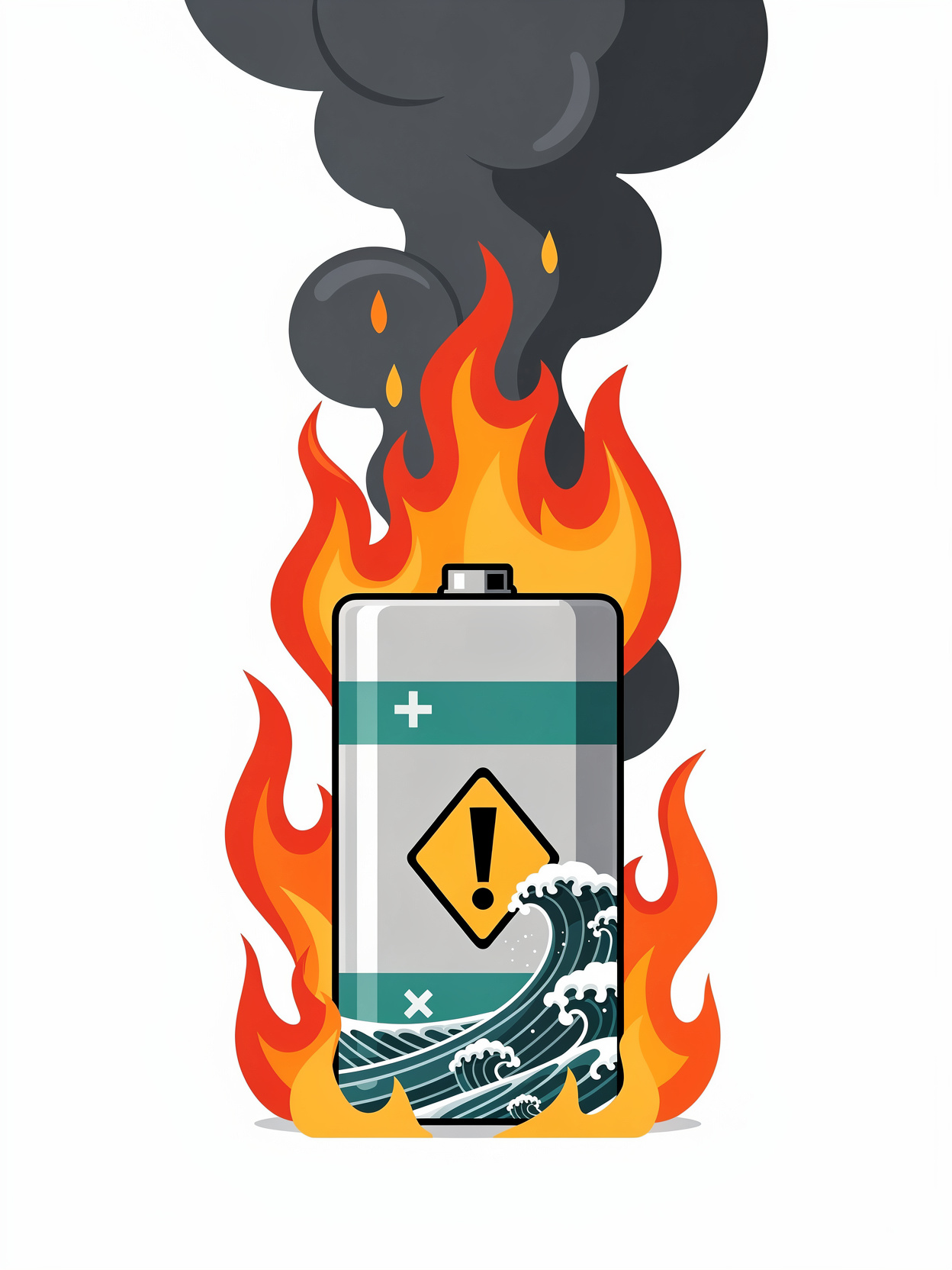
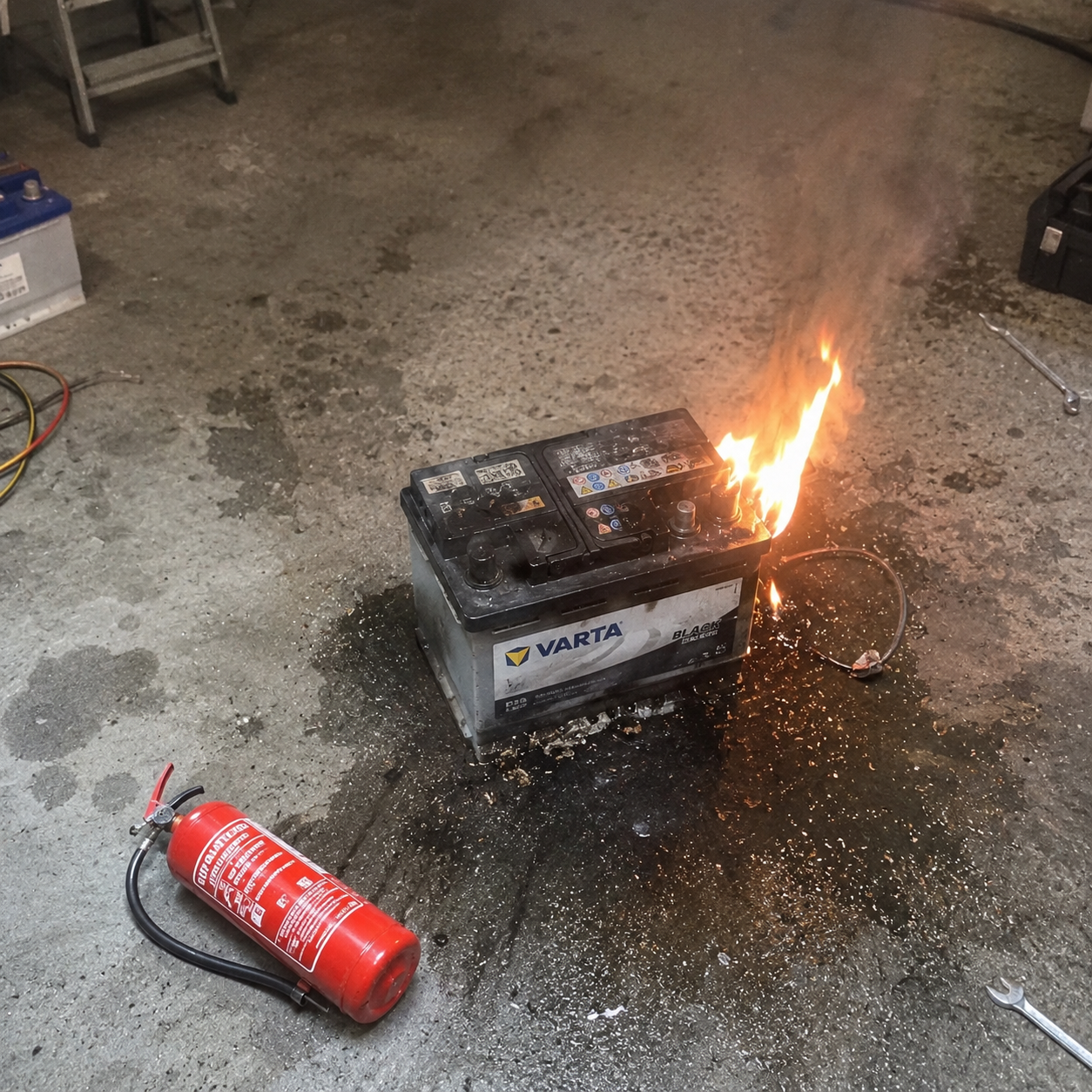
The situation becomes even more critical when discussing short circuits. In conventional electrical engineering, a short circuit is often a deliberate protective measure: it triggers fuses and ends the fault condition. In electric vehicles, the opposite is true. The traction battery is an energy source capable of delivering extremely high currents — often several hundred or even thousands of amperes. A short circuit would not shut anything down; instead, it would unleash uncontrolled energy. The consequences include arc flashes, thermal destruction, fire, or even thermal runaway.
What exactly happens during an HV short circuit?
- Massive overcurrent: Thousands of amperes flow uncontrollably through conductors and cells.
- Rapid heat buildup: Temperatures rise extremely fast, cells heat each other.
- Gas formation and pressure increase: Electrolyte vaporizes, cell housings may rupture.
- Thermal runaway: A self‑accelerating chain reaction that is nearly impossible to stop.
Short‑circuiting is therefore never an acceptable measure — it is a severe safety hazard that endangers both people and equipment.
Modern electric vehicles are equipped with advanced safety architectures: insulation monitoring, fault‑current detection, main contactors, crash sensors, HV interlock, temperature monitoring, and cell‑voltage supervision. These systems react within milliseconds and detect faults long before a human could respond. Grounding or short‑circuiting the vehicle would bypass these protective systems. The vehicle would no longer be able to correctly interpret electrical conditions because the galvanic isolation would be compromised. The entire safety logic would be disrupted.
Another important aspect: the vehicle body is intentionally not connected to the HV system. It acts as a protective enclosure. If the vehicle were grounded, the body would acquire a defined potential. Fault currents could flow across the body, and a single contact with an HV conductor could become life‑threatening. This would fundamentally undermine the safety philosophy of the HV system.
The relevant standards and manufacturer specifications — including DGUV 209‑093, ECE‑R100, and ISO 6469 — state that grounding and short‑circuiting are not intended in normal HV service procedures. The prescribed protective measures rely on organizational processes, technical safeguards, and correct shutdown procedures according to manufacturer instructions. Grounding or short‑circuiting is not part of any approved service workflow.
From this point onward, Level 3 qualification becomes mandatory. Any situation in which grounding or short‑circuiting may occur in the field of electromobility belongs exclusively to highly specialized environments such as:
- HV development and testing
- manufacturer‑controlled laboratory conditions
- crash analysis and HV incident investigation
- specialized emergency shutdown procedures
- controlled test‑bench operations
These activities are not part of regular workshop practice and may only be performed by individuals with full Level 3E/S qualification and responsibility.
If you want to know which specific scenarios allow such exceptions and why they are strictly limited to Level‑3‑qualified personnel, feel free to send us an email — we will explain the details clearly and in a practical way.
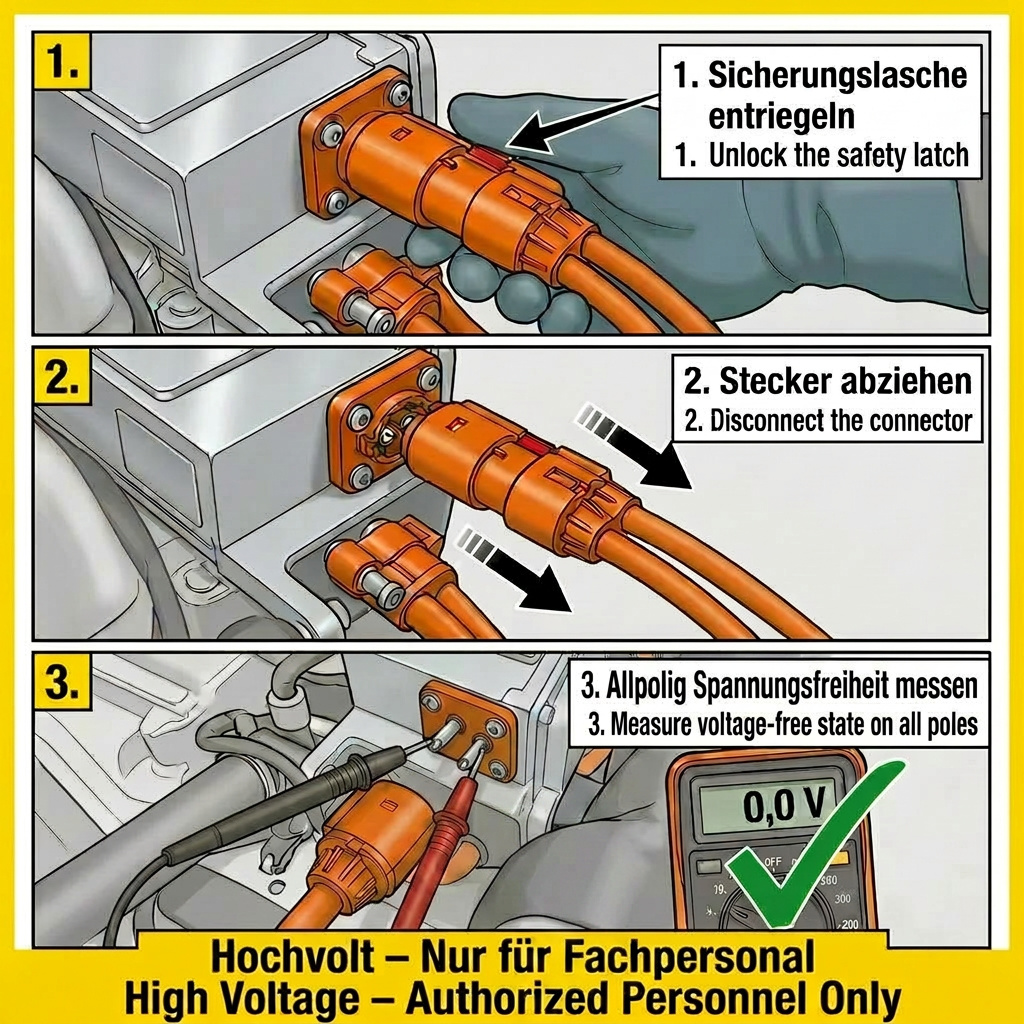
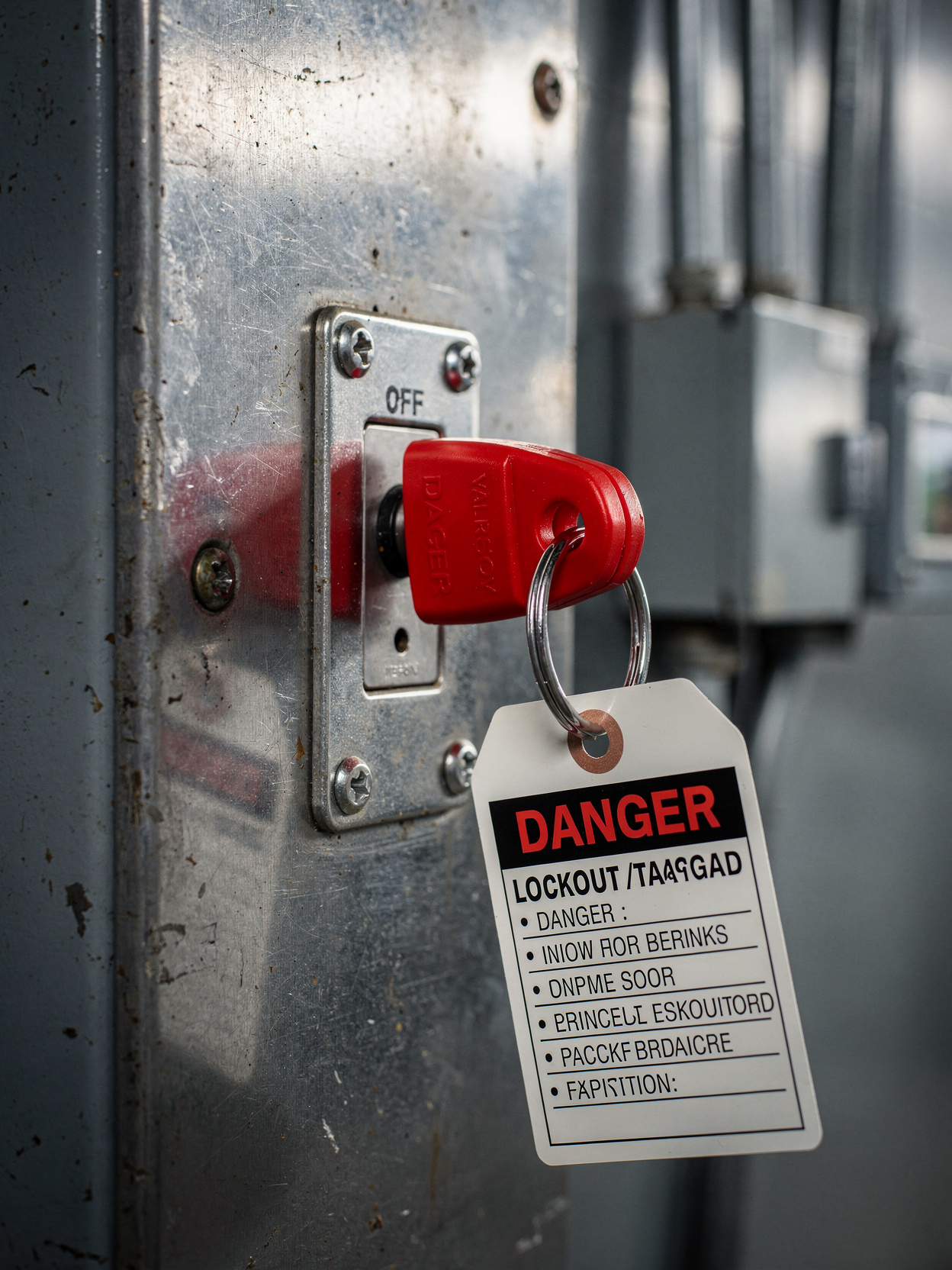
Conclusion: Grounding and short‑circuiting are not part of normal electric‑vehicle service procedures. They eliminate galvanic isolation, endanger people, and can severely damage the battery. The only valid protective measure is proper shutdown and verification of de‑energized state according to manufacturer instructions. Anything beyond that belongs exclusively in the hands of Level‑3‑qualified experts.