THE HV COURSE FINDER

Which qualification level do you need – and how long is the course?
3 questions, exact answers based on the official DGUV flowcharts.

The HV Course Finder determines the correct qualification level under DGUV Information 209-093 in 3 steps – for automotive workshops, body shops, commercial vehicle service, recycling operations, fleet managers and towing services. Recommendations are based on official DGUV flowcharts (Annexes 2, 3 and 5) and take into account your field of work, vehicle type and electrical engineering background – with exact teaching periods and indicative course durations.

Before you start

What determines which HV qualification level you need?

It's not the sequence that matters – it's three concrete factors from your working environment.

Factor 1 – Scope of work
What will you do on the vehicle?
Someone who works alongside HV vehicles (e.g. bodywork, tyre changes, moving vehicles) needs a different level than someone who directly intervenes in HV systems, de-energises, or measures under voltage.
This determines:
Your level (S/E, 1, 2 or 3)
Factor 2 – Working environment
Which vehicles do you work on?
Those working on series vehicles (workshop, production after SoP) need an S qualification. Those working on development vehicles (prototypes, pre-series, test benches) need an E qualification.
This determines:
S (series vehicles) or
E (development)
Factor 3 – Electrical background
What experience do you bring?
Automotive mechatronics technicians (from 2013), qualified electricians or technicians with electrical knowledge start at a different point than someone without electrical training – and need significantly fewer training hours.
This determines for Level 2S/2E or 3S/3E:
Entry route A, B or C (training scope: 2–80 TP)
Pathway 1 – Fachkundig unterwiesene Person (FuP) Route
No direct HV intervention
General work alongside HV vehicles – no electrical qualification required
One-off
Level S/E
Sensibilisierte Person
↓
Initial qualification – one-off
Level 1S/1E
Fachkundig unterwiesene Person (FuP)
↓ annual refresher required
Every year
Annual HV Instruction
Maintains the Level 1S/1E qualification
independent pathways
Pathway 2 – Fachkundige Person Hochvolt (FHV) Route
Direct HV intervention
Independent de-energisation & work on HV – electrical qualification required
Direct entry
Level 2S / 2E
Fachkundige Person Hochvolt (FHV)
↓ advanced course (Level 2S mandatory per DGUV 5.1.5)
Advanced course
Level 3S / 3E
Fachkundige Person Hochvolt (FHV) – Live HV work
↓ annual refresher required
Every year
Annual HV Instruction
Maintains the Fachkundige Person Hochvolt (FHV) qualification
Training scope depends on your background: The certificate at the end is the same for everyone – but the path to get there varies considerably. An automotive mechatronics technician (from 2013) needs only 16 TP for Level 2S (entry route B). Someone without electrical knowledge may need up to 80 TP (entry route A). The course finder shows you your personal entry route.
1
2
3
Step 1 of 3
Which field do you work in?
DGUV 209-093 distinguishes two main tracks with different qualification requirements.
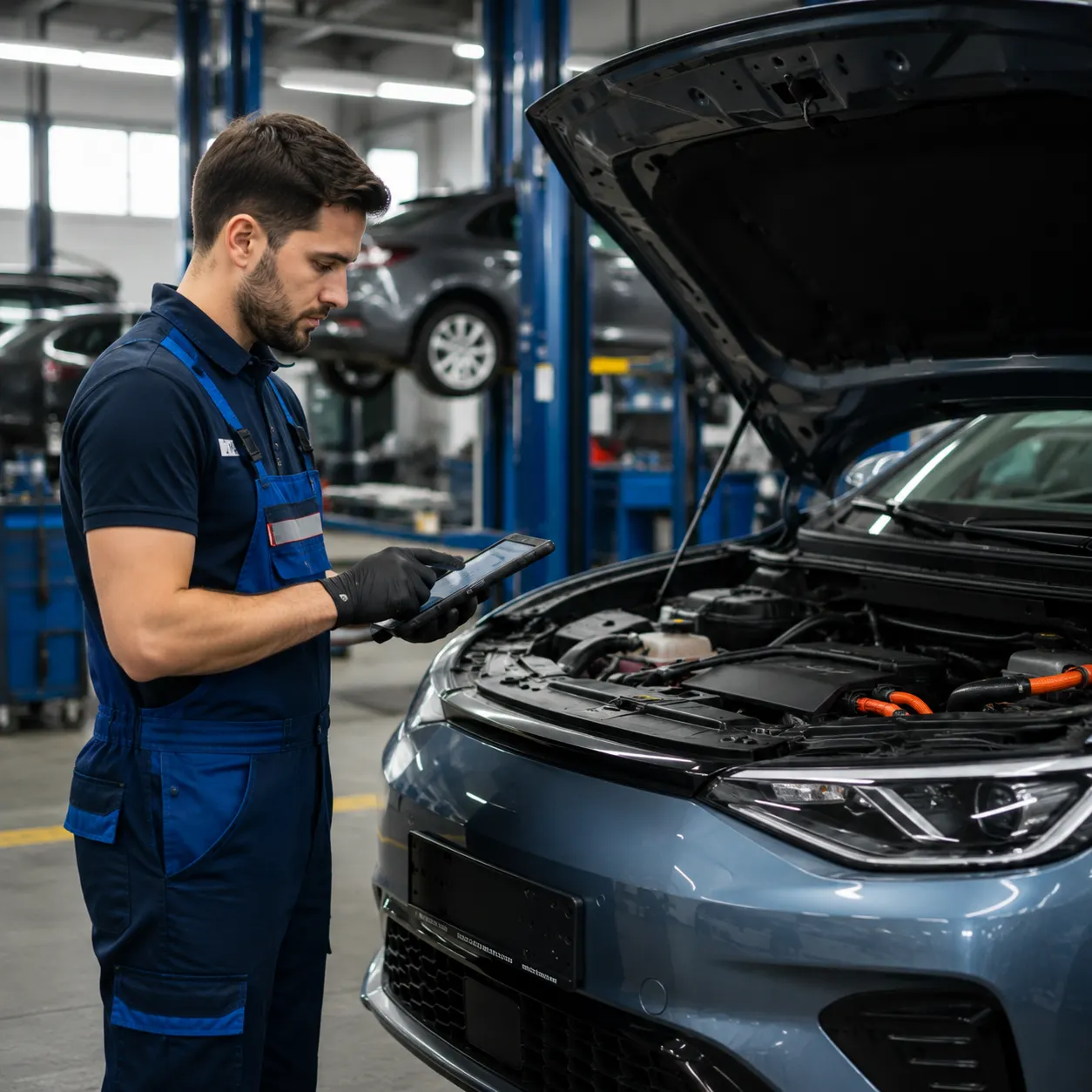
Automotive technician with tablet inspecting high-voltage vehicle in workshop
Service Workshop / Dealership / Automotive Repair
Maintenance, inspection and repair of series electric and hybrid vehicles after Start of Production (SoP)
S-Track
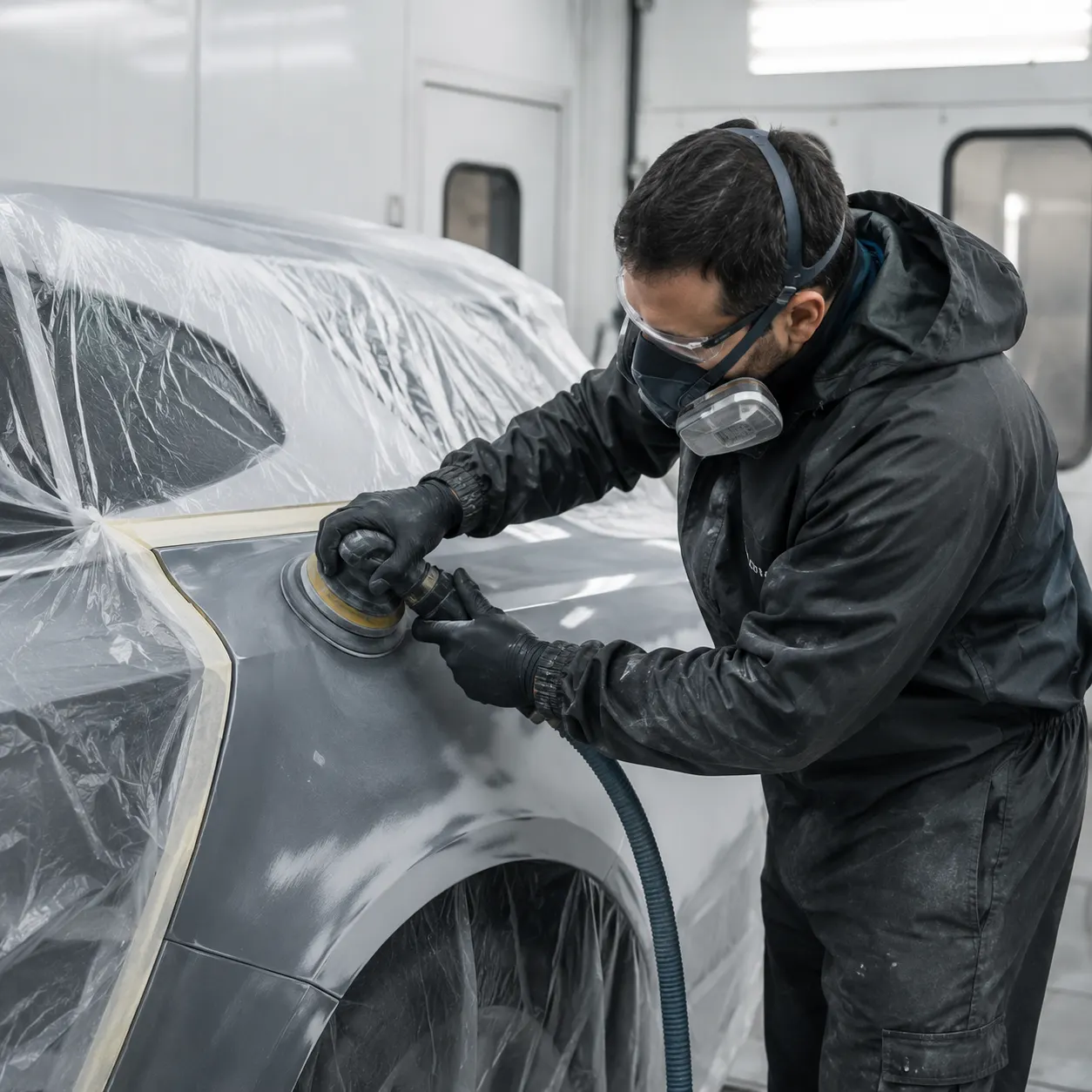
Body shop technician sanding vehicle panel in spray booth
Body Shop / Paint Shop & Vehicle Preparation
Body repair, straightening, painting and vehicle preparation on electric and hybrid vehicles – work in close proximity to HV cables
S-Track
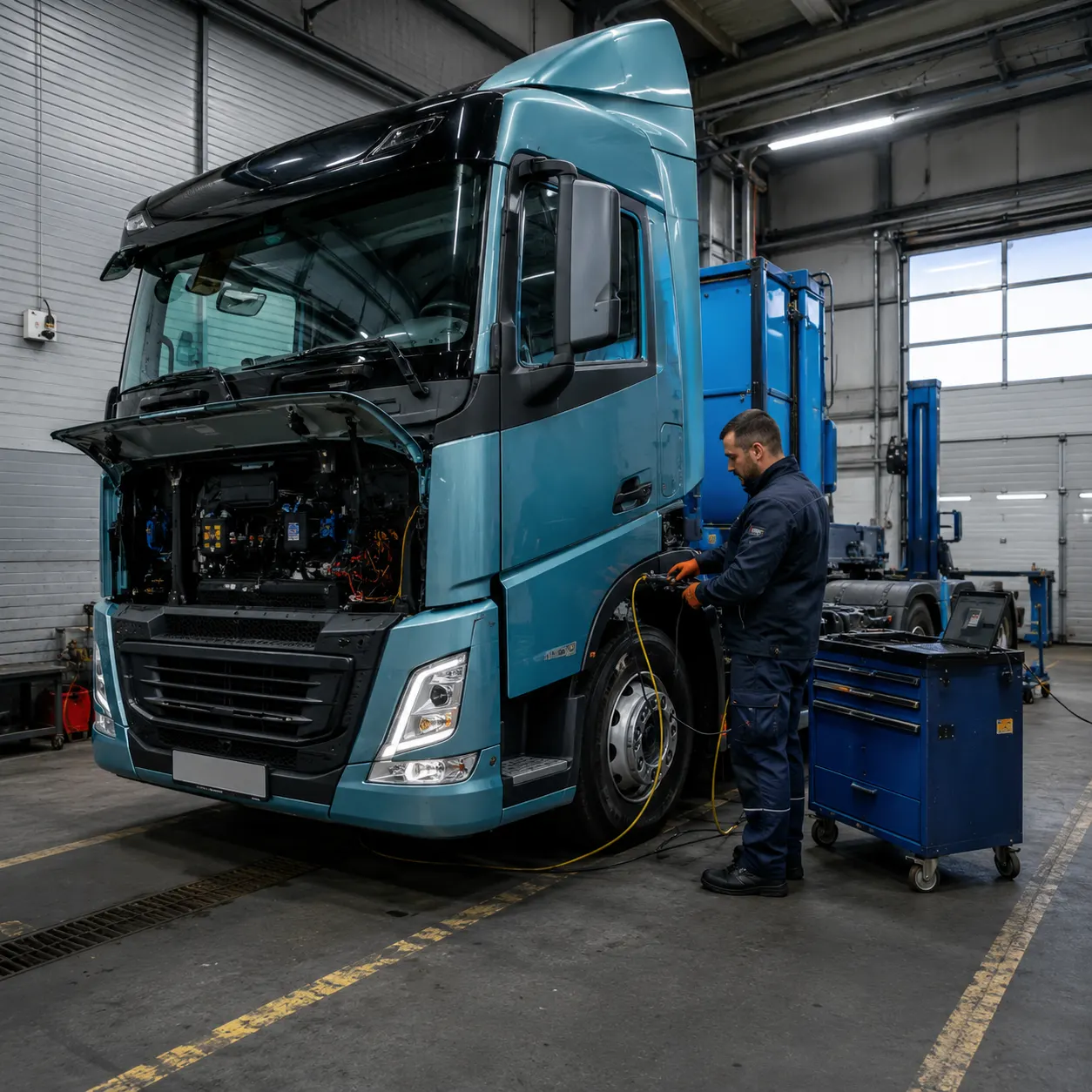
Mechanic servicing an electric truck in a commercial vehicle workshop
Commercial Vehicle Workshop / Electric Truck & Bus Service
Maintenance, inspection and repair of electric commercial vehicles, vans, buses and trucks after SoP
S-Track
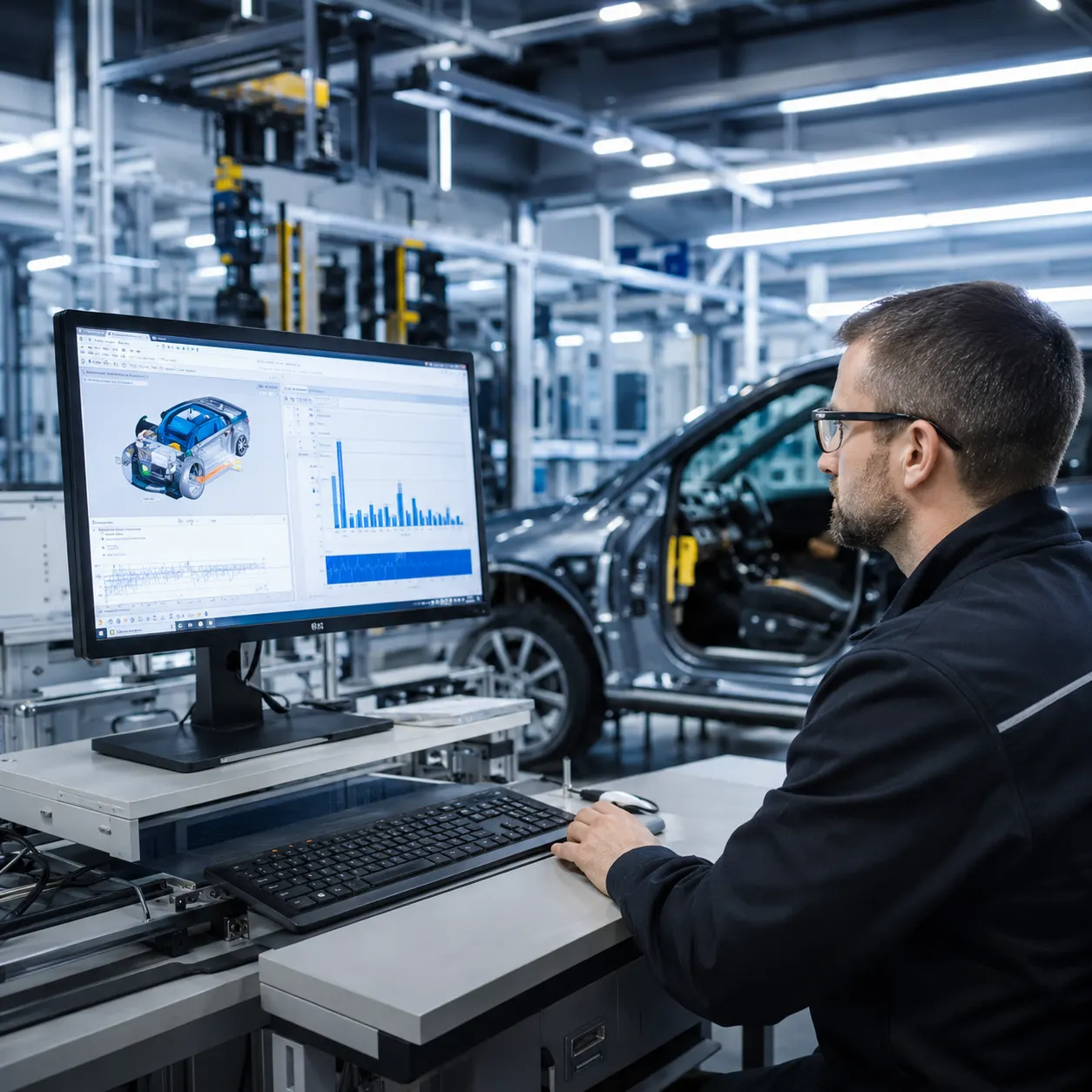
Development engineer working at computer in vehicle production facility
Development / Production / Test Facility
Vehicle development, prototype building, series production or test rig work before and after SoP
E-Track
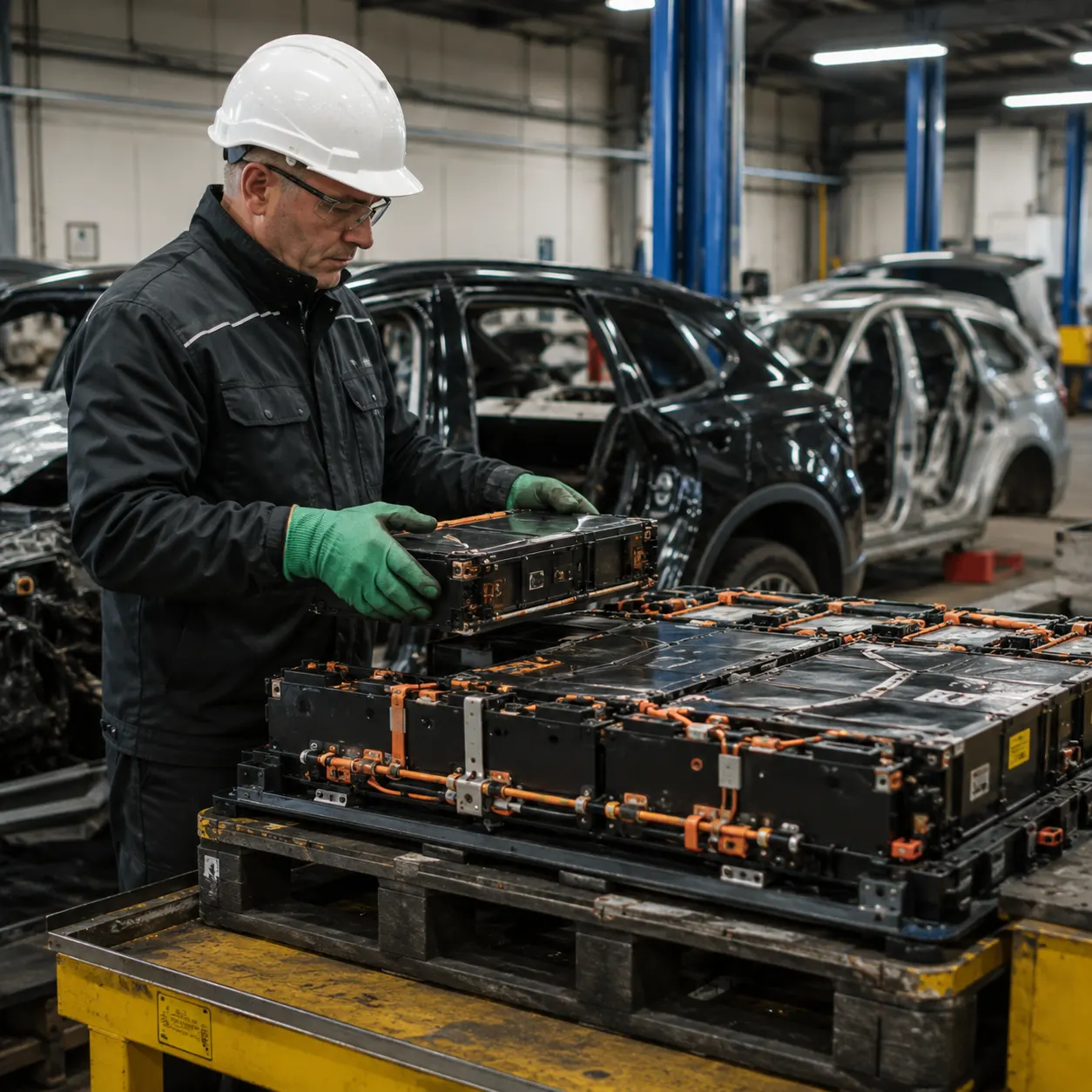
Specialist dismantling HV battery pack from electric vehicle at recycling facility
Recycling / Dismantling / End-of-Life
Disassembly, dismantling and disposal of electric vehicles and HV battery components
S-Track
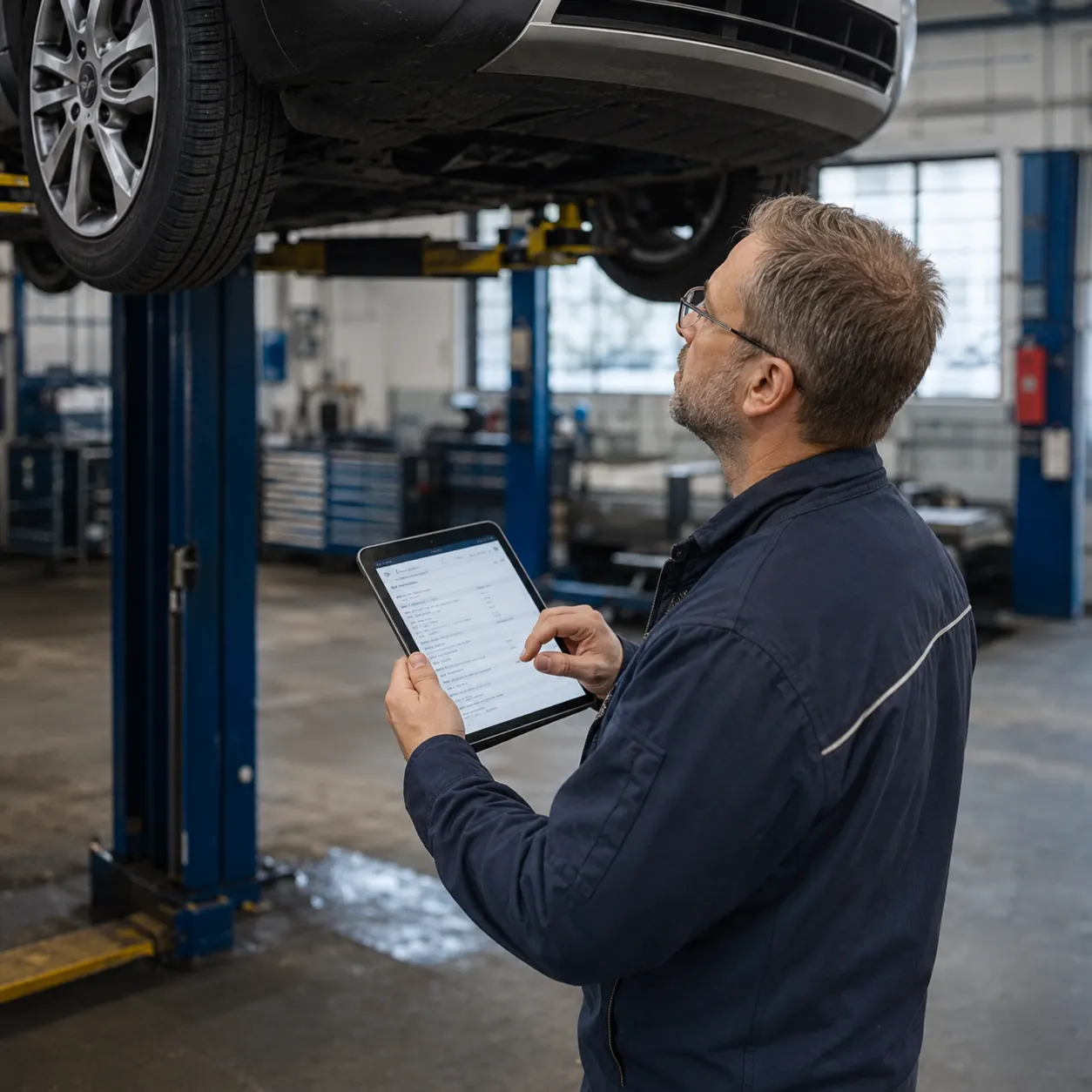
Inspection engineer with tablet checking electric vehicle on a lift
Inspection Engineers / Vehicle Inspection / Technical Experts
Main vehicle inspection, damage assessment, technical inspection of series electric and hybrid vehicles
S-Track
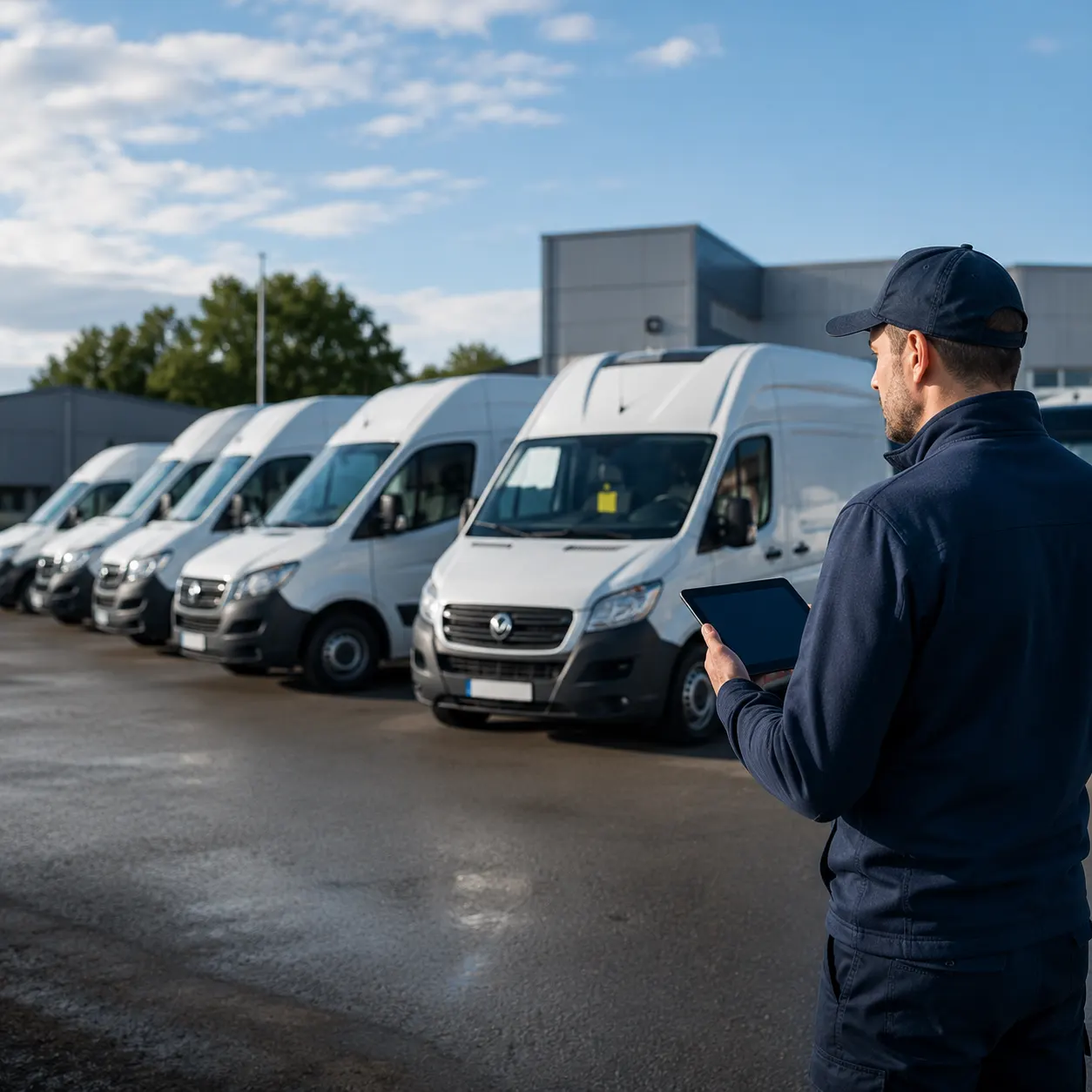
Fleet manager with tablet in front of electric van fleet
Fleet Management / Logistics / Transport / Vehicle Transfer
Fleet operations, vehicle logistics, transfer drives, charging park management, car park operations or facility management with EV charging infrastructure
S-Track
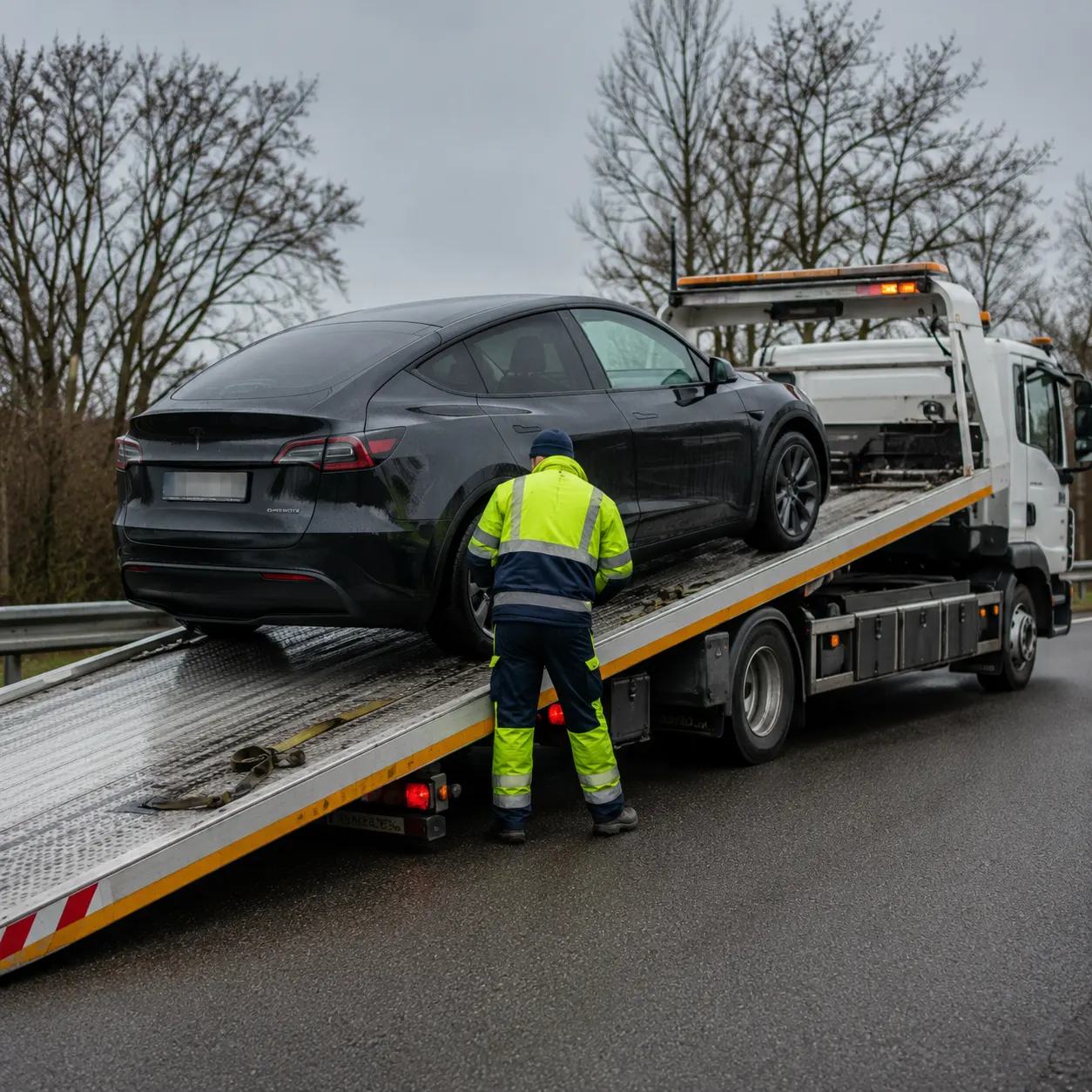
Recovery driver securing electric vehicle onto flatbed tow truck
Towing / Breakdown Service
Breakdown assistance, recovery and transport of electric and hybrid vehicles – including accident-damaged or salvage vehicles
S-Track
❓
My field is not listed / I'm not sure
Other activity related to HV vehicles – or you are unsure which track applies to you

Cardiac pacemakers / implantable defibrillators: Persons with active cardiac pacemakers or implanted defibrillators may be excluded from HV work. Please consult your occupational physician before attending.

All TP values and entry points comply with the official minimum requirements of DGUV Information 209-093 (August 2021 edition), Annexes 2, 3 and 5. 1 TP = 45 minutes. These figures are for guidance – for binding decisions please contact us or your responsible employers' liability insurance association (Berufsgenossenschaft).