HV training is not just for automotive workshops
When HV qualification under DGUV 209-093 is mentioned, most people immediately think of automotive workshops and OEM production. Understandably – they are the largest target groups. But the DGUV matrix of affected personnel groups reveals a much broader picture.
DGUV has documented which professional groups come into contact with HV systems across the entire lifecycle of an electric vehicle. The result: at least six further sectors that are currently underserved by HV training.
1. Recovery & breakdown services
Anyone who needs to recover a broken-down electric vehicle inevitably comes into contact with the HV system. Particularly critical: accident vehicles with damaged batteries. Minimum qualification: Level 1S (FuP), Level 2S for active intervention. Requirements arise from DGUV 209-093 and DGUV Regulation 3.
2. Car park operators & charging infrastructure
Operators of car parks with charging infrastructure who employ their own staff for maintenance and operation of charging points require appropriate HV qualification. Handling vehicles with technical defects also falls under the training obligation.
3. Technical inspection (TÜV / DEKRA)
Inspection engineers who carry out main vehicle inspections on electric vehicles or prepare damage assessments work on or with HV systems. The DGUV matrix indicates Level 2E or 3E – depending on the depth of technical inspection.
4. Fire services & emergency response
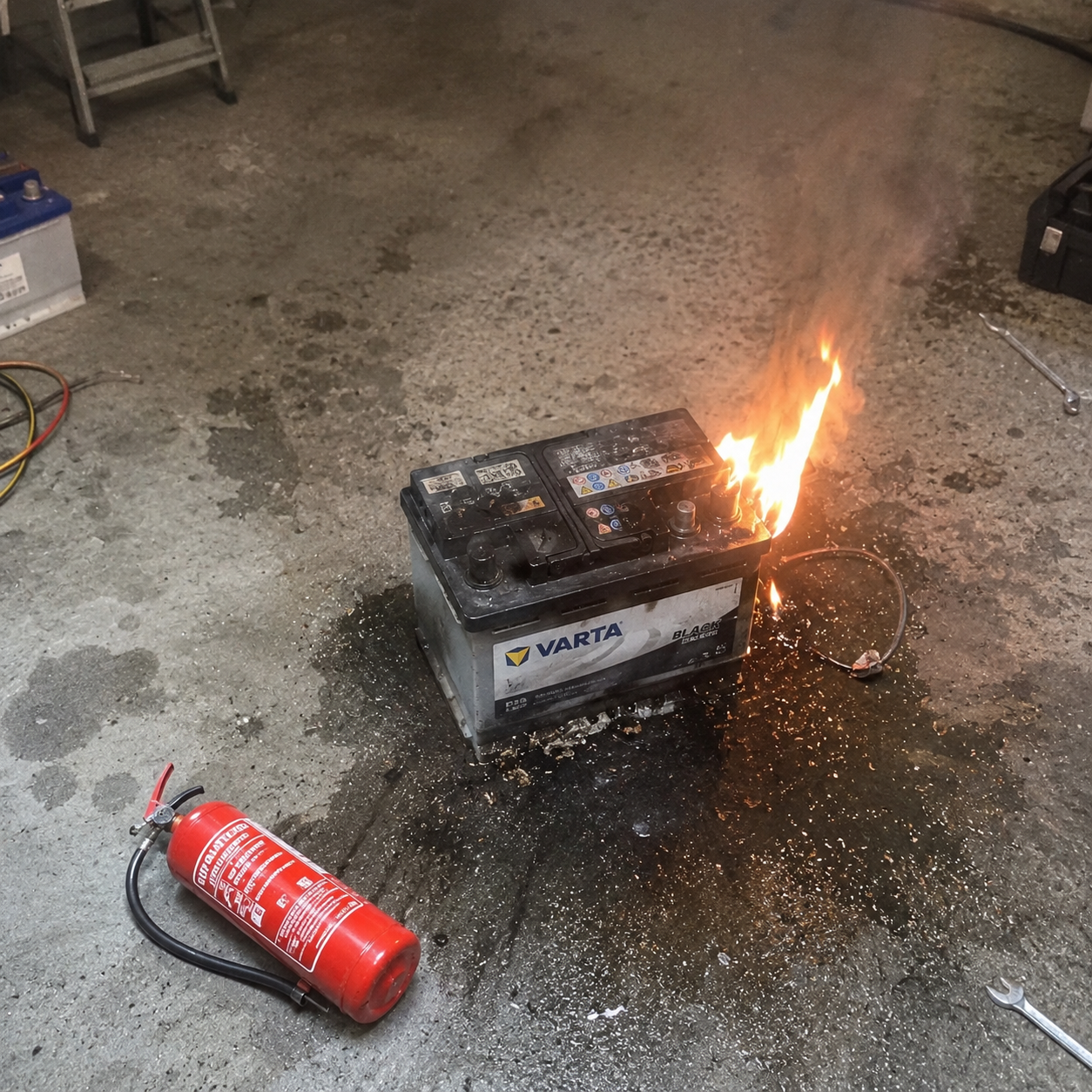
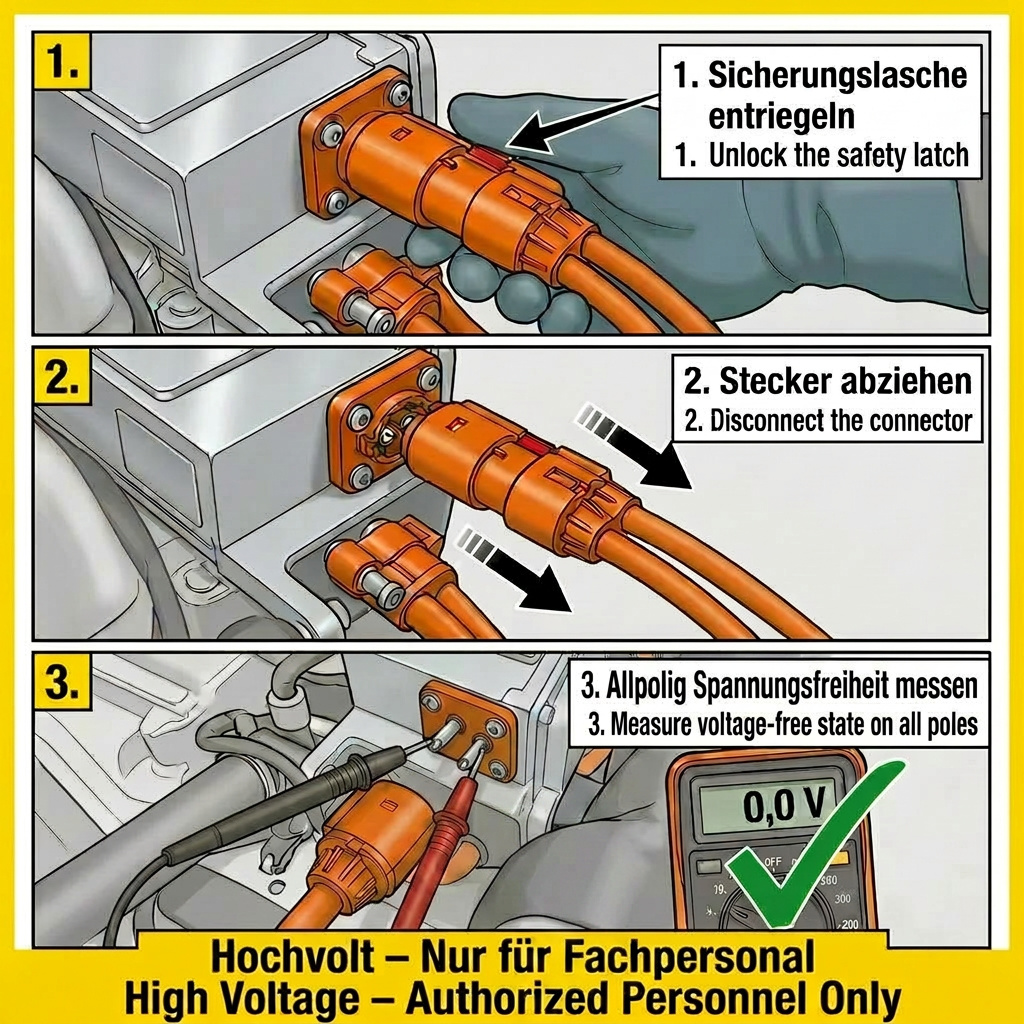
Fire departments and emergency services train under their own legal frameworks (FwDV, state law) – they do not fall directly under DGUV 209-093. However, knowledge of HV hazards, isolation procedures and thermal runaway is essential. Many fire services therefore use DGUV-based HV training as a foundation for their responders.
5. Recycling & dismantling operations
Dismantling and disposal of HV batteries requires special qualification. Businesses that dismantle electric vehicles need at minimum Level 1S for all staff working on the vehicle – Level 2S for active intervention in the HV system.
6. Fleet management & logistics
Fleet managers and logistics companies with electric commercial vehicles who deploy their own staff for vehicle transfers or charging management also require HV awareness training. Level S/E or 1S typically applies here.
Inhouse training as a solution for new target groups
For sectors with limited prior exposure to HV training, inhouse training is often the most practical solution: tailored content, directly on your own vehicle fleet, without travel costs. We provide a non-binding group quote within 24 hours.